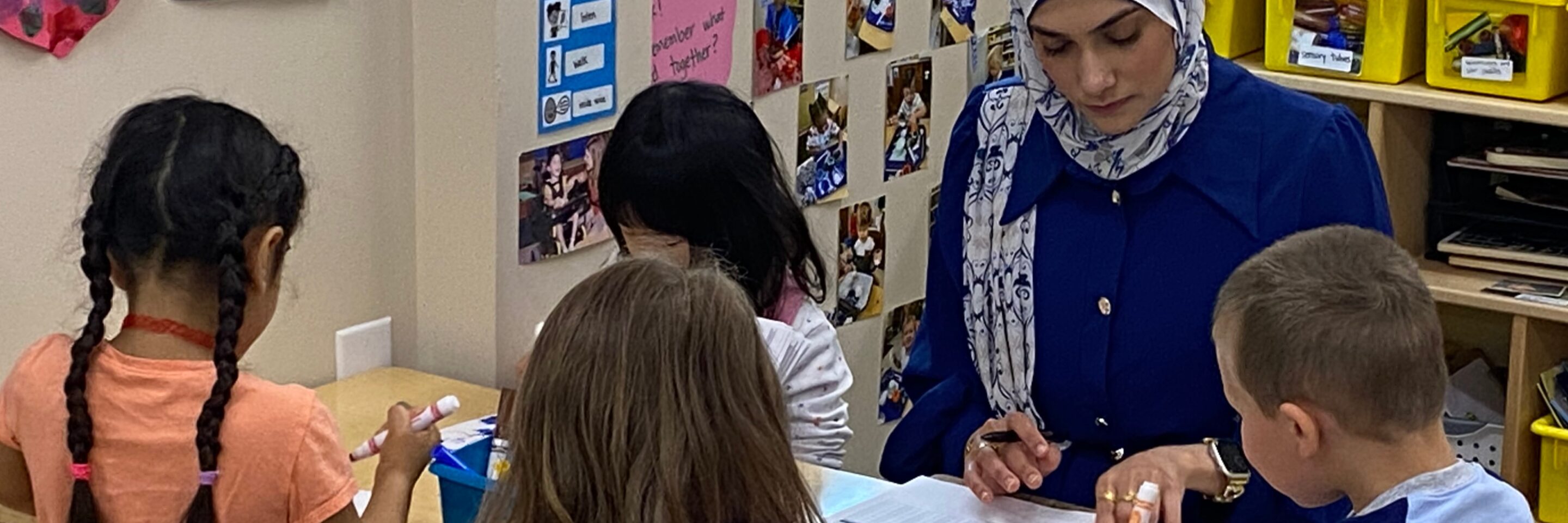
VIDEO: Using AEPS-3 to Guide Instruction & Drive Progress
PublishedThe Early Childhood Laboratory is a campus-based inclusive program at the University of Kentucky for children with and without disabilities who are between the ages of birth and six years. AEPS-3 co-developer Jennifer Grisham, who served as the Faculty Director of the ECL for years, sums up the program’s philosophy like this:
“All children can learn, and that they can learn within hands-on active play activities. We want to address the individual needs of our children and also their group needs. We actively involve our families, and we serve as a child care program for the campus and the community.”
The ECL has been using AEPS-3 as an integral part of their program—in fact, Grisham says “our teachers at the ECL will tell us that they don’t really feel like they’re teaching until after they complete AEPS.”
Take an inside look at the ECL’s experience with AEPS-3 in this quick, engaging video, Using AEPS-3 to Guide Instruction and Drive Progress. This is a great video to share with programs considering AEPS-3—it highlights how AEPS-3 helps gather child assessment data that directs effective instruction, activity planning, family involvement, and progress monitoring to support children.
Watch and share:
Take a deeper dive: Learn more about the ECL’s AEPS success story in this extended Q&A with Jennifer Grisham.