6 Tips for Small Group Conversations
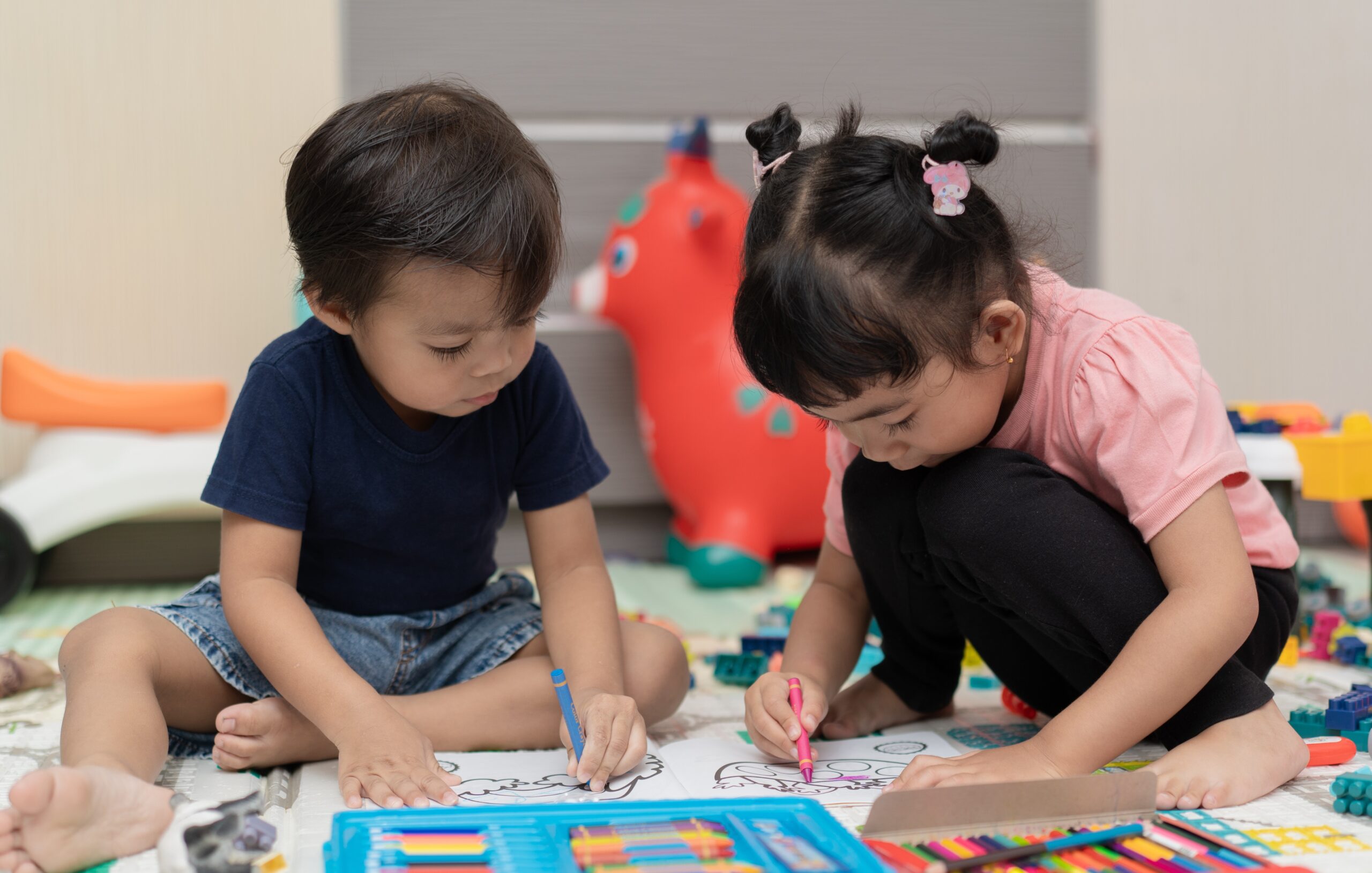
Published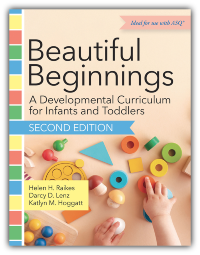 In early childhood learning environments, small group conversations offer rich opportunities for promoting the language and social-emotional skills children need to succeed in kindergarten and beyond.
Adapted from the new edition of the bestselling Beautiful Beginnings curriculum for birth to three, here are 6 tips for helping young children develop the skills they need to talk and listen effectively in a small group.
- Ask the child questions or use a type of show and tell approach in which each person speaks or shows an item. Encourage the child to pay attention to other speakers, speak so that others can understand them, and encourage other speakers to listen fully when the child speaks.
- Draw the child into a conversation with another child and gently encourage the two children to take turns speaking. When another child is telling a story, encourage the first child to listen carefully and encourage them to ask questions of the speaker.
- Compliment the child or children on listening well, especially when they are able to do this without cues. Help the children find common conversation topics and themes.
- While reading stories, point out when characters express themselves and when others are good listeners.
- If the child wants to talk during another child’s turn, provide a gestural cue such as puffing your cheeks with air and holding an index finger to your mouth to remind them to be quiet while the other person talks. Be sure to let the child know they did a good job listening afterward.
- If the child needs even more support, preteach with an adult partner. Have the adult talk, show the child the bubble/finger gesture to help them be quiet, then do a countdown with your fingers from five to zero. When you get to zero fingers, say, “Thanks for listening; it’s your turn.” Let the child talk while the adult listens attentively, exaggerating the bubble-in-mouth gesture. Then, after a bit, have the adult do the countdown to show it’s their turn. Go back and forth taking turns talking.
If you liked these ideas, invest in Beautiful Beginnings for 350+ more! This birth to three curriculum is full of joyful, engaging experiences that build on each child’s strengths and interests and encourage progress in areas of concern.
Beautiful Beginnings
A Developmental Curriculum for Infants and Toddlers, Second Edition
By Helen H. Raikes, Ph.D., Darcy D. Lenz, M.Ed., & Katlyn M. Hoggatt, M.Ed.
Aligned with ASQ® and CDC developmental milestones, this extensive, research-supported curriculum includes 350+ easy-to-use activity sheets tailored for six different age ranges in the critical first years of life. Activities target eight key developmental areas important to school readiness: Communication, Gross Motor, Fine Motor, Intellectual, Discovery, Social-Emotional, Self-Help, and Pretend.