4 Ways to Create Family-Friendly Centers
Published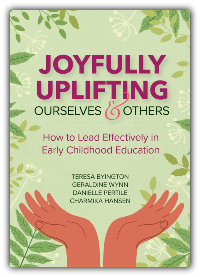 Physical environments help shape emotional experiences. Your early childhood center’s layout can communicate whether families feel like guests or like they belong.
Excerpted and adapted from the book Joyfully Uplifting Ourselves and Others, here are four ideas for designing more welcoming spaces for the families of the children you work with.
Family Lobby and Activity Area
Some families rush through drop-off and pick-up, while others need a slower transition, especially those with younger children or who are new to your center. A cozy, inviting area with simple materials like crayons, wooden blocks, or books allows for quiet connection before and after class. It also gives new families something to engage with during tours or enrollment visits, easing first impressions.
Nursing Room
For parents who breastfeed, having a quiet, private space to nurse honors the parent–child bond and supports a gentle start to the day. If you don’t have a dedicated room, consider flexible solutions, such as a sign for an office door or a curtained alcove with a comfy chair and soft lighting. A little privacy goes a long way in making families feel respected and cared for.
Coffee and Tea Station
A small beverage station stocked with coffee, tea, and water invites families to pause and connect. This simple offering helps ease the emotional transition at drop-off and encourages friendly interactions among parents. If budget is a concern, a “tip jar” or local sponsorships can help sustain it.
Bonus idea: Place the station near a classroom monitor so parents can sip while watching their child settle in.
Food Pantry and Mutual Aid Resources
Basic needs support is a powerful way to care for the whole community. One center in northern Nevada created a food pantry through local partnerships and grants. All enrolled families, staff, and even community members can access the pantry without stigma or strings.
While not every center can maintain a full pantry, you might start small:
- Partner with local food banks or service groups.
- Collect donations of gently used children’s clothing, coats, or shoes.
- Accept supplies like diapers and wipes from businesses or families.
Offering these resources can seem unattainable, expensive, or time-consuming. However, consider them as an important opportunity to invite families to contribute, donate, and volunteer in ways that work for them. Keep in mind that even modest efforts send a clear message: This is a community that cares for one another.
For more tips and insights on creating supportive, joyful environments for families, staff, and young children, we recommend the book Joyfully Uplifting Ourselves and Others!