
6 Rules for Teaching Kids With Disabilities
Published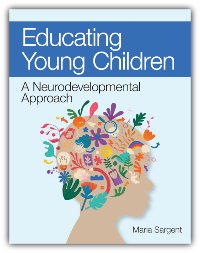 How can you create inclusive learning environments where young children with disabilities thrive alongside their peers? Adapted from Educating Young Children by Maria C. Sargent, here are six broad guidelines every early childhood educator should keep in mind as they plan instruction and supports.
- A label is only a starting point. Knowing the “label” associated with a student’s processing disorder or disability provides great information to help inform your practice, but it also can be misused if overemphasized. Labels should be the starting point, not the total description of the support strategies.
- Observation skills will help you construct responsive practice. Observe the child at work and play, analyze their responses, note their overall pattern of strengths and weaknesses, and try a variety of strategies to see if they are beneficial for that child. In other words, treat a child with a named disability like any other child.
- Seek out information from a wide variety of legitimate sources. There are many resources available on the Internet, but the best information will come from the professionals assessing the student and the student’s family. Even when you have a great deal of experience with a certain problem, be sure to seek out additional resources and observe closely to gain more information.
- Follow your gut instincts and try unusual methods—within reason. Be open to many methods, including those that are only emerging. Make sure the method being used has a solid foundational background, and then within those parameters, explore how that method might be useful in your classroom.
- Don’t feel compelled to isolate yourself to only one model or approach. Eclectic practice is a must in most classrooms. Take a good and honest look at the strengths and weaknesses of your curriculum and then fill in the gaps to provide the support an individual student needs.
- Use the resources associated with the SPED identification system and the RTI process. Many school districts and educational facilities have a well-developed system of support, but not all educators are familiar with them. Take the time to determine which supports are available in both your community and the educational system.
For more insights on how young children learn and what educators need to know and do to teach them, programs should consider adding Educating Young Children to their in-service training toolbox. Covering the full birth–8 early childhood age range, this book delivers essential guidance through a unique lens: a deep focus on the neurological foundations of developmentally appropriate practices.